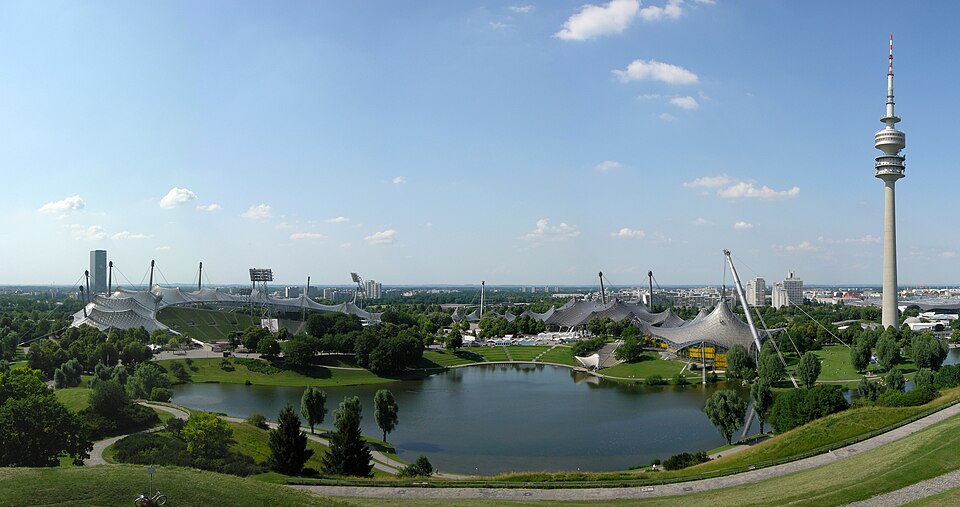
In mid-October, biathlon returns to Munich’s Olympic Park. Last year the event was a big success, with close to 50,000 people on site, and this year the organisers are promising even more programmes and world-class names.
Who is coming to Munich?
The Loop One Festival was held for the first time in 2025 at Munich’s Olympic Park. It was such a success that it was no surprise to see it return this season. Around 100 athletes competed there last year, and in recent weeks one bigger name after another has been announced, including both defending champions, as Vittozzi and Perrot will both take part.
The French team will be split. Claude, Michelon and Simon, among others, have chosen the Munich event, while others, such as Jeanmonnot, Fillon Maillet and Braisaz-Bouchet, will race at the Arçon Summer Tour instead. For Italy, Giacomel will be a notable absentee, as he will not start because of a shoulder injury. The format is the Super Sprint, which differs from what we see at World Cup rounds.
One prone and one standing shooting stage, from a distance of 50 m
No spare rounds: every miss means a 60 m penalty loop
A maximum of two athletes from the same nation per heat
The top 3 from each heat qualify directly for the final, plus three more based on overall time
In the final
Five laps instead of three
Two prone and two standing shooting stages
Again, every miss costs a 60 m penalty loop
Off to Kontiolahti: One month to go until the start of the winter season
Because of the format, it is very easy to slip out of the final places. In 2025, too, several athletes who went on to perform well during the season failed to reach the final. Michelon, Kirkeeide and Simon, among others, missed it, and on the men’s side Jacquelin and Fillon Maillet did not make the top 15 either. The former cannot even try this year, as he will skip the entire season to concentrate on cycling.
Programme
17 October
11:00 Women’s Super Sprint Qualification
12:20 Men’s Super Sprint Qualification
15:45 Women’s Super Sprint final
16:25 Men’s Super Sprint final
18 October
10:15 Women’s Super Sprint, Heat 1
10:35 Women’s Super Sprint, Heat 2
10:55 Women’s Super Sprint, Heat 3
11:15 Women’s Super Sprint, Heat 4
12:30 Men’s Super Sprint, Heat 1
12:50 Men’s Super Sprint, Heat 2
13:10 Men’s Super Sprint, Heat 3
13:30 Men’s Super Sprint, Heat 4
15:45 Women’s Super Sprint Final
16:25 Men’s Super Sprint Final
Compared with last year, the best athletes will compete over two days this time, with qualifiers and finals on both days. There is more to see away from the racing, too: several legends will host meet-and-greet events. Johannes Thingnes Bø, Simon Schempp, Franziska Preuß, Denise Herrmann-Wick and Michael Rösch, among others, will be attending.
Once the event is over, only about a month will separate the athletes from the first World Cup weekend of the season, so we will get a sense of who is in what shape as they enter the final stretch of their preparation.
The Loop One Festival takes place in Munich on 17–18 October, while the season’s first World Cup weekend starts on 26 November in Kontiolahti.
Október közepén újra biatlon versenyt rendeznek a müncheni olimpiai parkban. Tavalyi szezonban a verseny nagy sikert hozott, közel 50 ezren voltak a helyszínen, az idei évben még több programmal és világsztárral készülnek a szervezők.
Kik érkeznek Münchenbe?
A 2025-ös évben rendezték meg először a Loop One fesztivált a müncheni olimpiai sportparkban. Nagy sikere volt az eseménynek így várható volt, hogy az idei szezonban is újra megrendezik.
Az előző évben körülbelül 100 versenyző vett rajta részt, és az elmúlt időszakban sorra jelentették be a nagyobbnál nagyobb neveket köztük a két címvédőt is hiszen Vittozzi és Perrot is részt vesznek az eseményen. A franciáknál megosztott módon fognak indulni, egyesek mint, Claude, Michelon, Simon a müncheni versenyt választották, míg mások, mint Jeanmonnot, Fillon-Maillet, vagy Braisaz-Bouchet az Arcon Summer Touron versenyeznek. Az olaszoknál nagy hiányzó lesz Giacomel aki vállsérülés miatt nem fog indulni.
A verseny formátuma a Super sprint ami eltérő formátum attól amit a világkupa fordulókon láthatunk.
Super Sprint
Minden futam 15 résztvevővel fog indulni
Háromszor 1,8 km-et kell megtenni
Egy álló és egy fekvő sorozat 50m-es távolságból.
Nincs tartalék lőszer,minden hiba egy 60 m-es büntetőkör
Maximum két versenyző lehet egy futamban azonos nemzetből
Minden futamból a top 3 automatikusan bejut a döntőbe,plusz 3-an idővel az összesítés alapján
Döntők
Öt kört teljesítenek 3 helyett
2 fekvő és 2 álló sorozat
Hasonlóan itt is minden hiba után 60 méteres büntetőkör
Irány Kontiolahti: Egy hónap maradt a téli idényrajtig
A verseny formátumából adódik, hogy nagyon könnyű lecsúszni a döntős helyekről. 2025-ben is több olyan versenyző nem tudott bejutni a döntőbe, akik aztán jó teljesítményt nyújtottak a szezon során. Michelon, Kirkeeide illetve Simon is többek között nem érte el a döntőt, de a férfiaknál is Jacquelin és Fillion Maillet sem tudott bejutni a top 15-be. Előbbi idén nem is próbálkozhat hiszen a teljes szezon ki fogja hagyni, hogy a kerékpárra koncentrálhasson.
Tavalyi évhez képest eltérés, hogy idén 2 nap során is láthatjuk a legjobbakat versenyezni. Mindkét napon lesznek selejtezők és döntők. A versenyen kívül is lesznek érdekességek, több legendával tartanak meet and greet eseményeket. Johannes Thingnes Bö, Simon Schempp, Franziska Preuss, Denise Herrrman-Wick, Michael Rösch is tiszteletét teszi az eseményen többek között.
Program
Október 17.
11:00 Női Szuper Sprint selejtező
12:20 Férfi Szuper Sprint selejtező
15:45 Női Szuper Sprint döntő
16:25 Férfi Szuper Sprint döntő
Október 18.
10:15 Női Szuper Sprint 1. futam
10:35 Női Szuper Sprint 2. futam
10:55 Női Szuper Sprint 3. futam
11:15 Női Szuper Sprint 4. futam
12:30 Férfi Szuper Sprint 1. futam
12:50 Férfi Szuper Sprint 2. futam
13:10 Férfi Szuper Sprint 3. futam
13:30 Férfi Szuper Sprint 4. futam
15:45 Női Szuper Sprint döntő
16:25 Férfi Szuper Sprint döntő
A versenyt követően már csak körülbelül egy hónap fogja elválasztani a versenyzőket majd a szezon első világkupa hétvégéjétől így láthatjuk majd ki milyen formában tud majd ráfordulni a felkészülés véghajrájára.
A müncheni Loop One fesztivált október 17-18-án rendezik még a szezon első hétévégéje majd november 26-án kezdődik Kontiolahtiban.
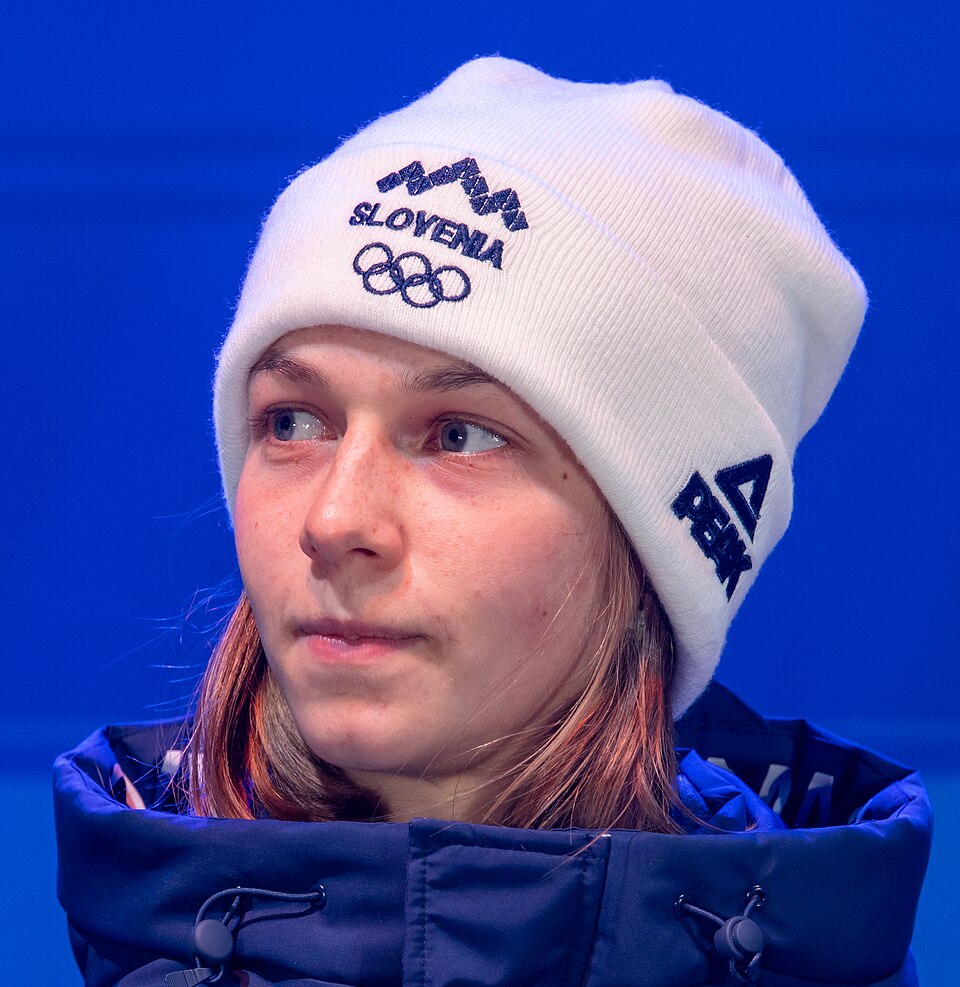
She made her Olympic debut this season and closed the winter with the strongest weekend of her career so far. At just 23, Slovenia’s Lena Repinc is already considered one of the brightest prospects in biathlon – not only dreaming of junior medals, but of World Cup podiums and a long-term place among the sport’s elite.During her off-season stay in Madeira, she spoke about her Olympic experience, a surprising wave of home support, her breakthrough weekend in Oslo, and the increasingly visible impact of climate change on winter sport.
Early success
Repinc first appeared among the senior ranks in 2021, at a home World Championships, where she competed in the sprint and relay. Shortly after, she moved on to the Youth World Championships, winning four medals – two gold and two silver.
A year later, she added two more youth silver medals, before gradually becoming a regular presence on the World Cup circuit.
“I don’t want to stay at medals only from junior categories. Of course, I am very proud of what I have achieved in the past, but results in the World Cup are what truly count.“
The road to the Olympic dream: 85 → 64 → 41
Her first World Cup points came in Östersund in 2023, where she finished 34th in the individual. From there, her results steadily improved: 85th in the 2023/24 overall standings, 64th the following season, and 41st in the most recently completed winter.
That progression earned her a place at the Olympics, where her best result was 21st in the sprint.
Looking back, she described the experience as something she could hardly have imagined at the beginning of her career:
“The Olympics were an incredible experience. Even though we, biathletes, were alone in Antholz and were not staying in the main Olympic village, I have no complaints. (…) Looking back to my very beginnings, I would never even dare to dream about competing on the World Cup, let alone the Olympic Games. But hard work, passion, and motivation paid off. And now I’m extremely proud to be able to call myself an Olympic athlete. I did not achieve the goals I had for the Olympics, but I will try to be happy with what I have achieved and will focus on things I can be proud of.“
“What I remember are all those people cheering for me during the race.”
The mayor’s bus
Antholz sits close to the Slovenian border, and Repinc’s Olympic races drew strong local support from home fans – something she says she will never forget.
“The mayor of the municipality where I live organised a bus ride for locals to come and see me race at the individual race. It was the race I had higher expectations for and the race I messed up the most. But I don’t remember that now when I look back. What I do remember though are all those people cheering for me during the race. It was an incredible experience. It’s hard to describe it really. I was so honoured by this gesture and I truly hope they come more often, as they make competing even more enjoyable. Knowing I have such support at home really warms my heart.“
Oslo, waffles, and a “flow” weekend
Life didn’t stop after the Olympics. Repinc made some mistakes in the shooting at the Finnish and Estonian competitions, but her breakthrough came over the weekend in Oslo where she delivered her strongest weekend yet – finishing all three individual races inside the top 20.
“Honestly, I was not expecting such good results, as I was struggling with motivation a little bit due to some bad performances in the last trimester, far from ideal conditions, and also just from a long season. But I am and was so happy that I managed to achieve my new personal best and also qualify for my first ever Mass Start. It left me feeling confident and hungry for more.“
And what made the difference?
“I just love the tracks and the atmosphere in Oslo, so that must have helped as well, plus some really good skis! Or maybe it was all the waffles I’ve had.“
More than just top 30
She describes her form as stable throughout the season – something she considers essential for long-term consistency at World Cup level.
“I would not say I was in a better shape in Oslo than at other venues. My shape has been consistent throughout the whole season and I am extremely pleased with that, as one does need that in order to be a top-level athlete who is fighting for a top position in the overall standings.“
Still, she remains critical of her own progress.
“I did see improvement this season, but I was hoping for more. Shooting was far from ideal though, so I really need to work on that during the summer. I have big dreams and I feel like I am not improving fast enough, especially when I see athletes my age already winning Olympic medals. (…) With good performances at the last stage I feel like it is actually possible to achieve my dreams.“
For next season, her goals are already clearly defined.
“For the next season I really want to consistently be in the top 30 and to qualify for as many Mass Starts as possible (…) A top 10 result slipped out of my hands this season, so I am leaving it for the next one and also adding at least one flower ceremony.“
She believes progress will come through improvements in shooting speed and accuracy, as well as skiing technique and race tactics.
“I have to improve my shooting – speed and accuracy. I lose far too many precious seconds at the shooting range. And of course I need to reduce the ski time margin. I see a lot of room for improvement with just working on tactics, technique and strength.“
Pokljuka was not on the World Cup calendar this season, although she has raced there before. Competing at home remains a double-edged experience.
“I absolutely love the home track, it is one of my favourites. And there is a special feeling about competing in front of a home crowd. But I am not sure I can handle that extra pressure so well. Last year I most certainly didn’t. But I have to learn to do that too, if I want to get a medal there once – that is also on my list of goals for the future.”
Still, she is excited about the return of Pokljuka to the calendar, even if the timing is unusual.
“I am beyond excited that the World Cup is returning to Pokljuka. Though at a very unusual time. I personally don’t mind this new schedule as I will still spend New Year’s Eve at home and also I will have a good excuse to go to sleep early.“
Team spirit and Slovenia’s rise
In previous interviews, she has emphasized how much she enjoys competing and training as part of a team. The Slovenian team certainly has the foundation for a positive atmosphere, as they have achieved increasingly strong results in the national rankings in recent years. During the last Olympic cycle, the women’s team finished in the top 15 on multiple occasions, coming close to the top 10.
“Team spirit simply makes racing more enjoyable and shared joy is always better. This season sadly we haven’t performed our best in relays, but thinking about how far we have come, I think we can still be satisfied. For the past two seasons we have been quite close to finishing among the top 10 nations. This is for sure our team goal and we will fight for it!”
She also sees strong potential in the current Slovenian squad.
“Polona has had an amazing season and I can only see her getting better and better in the near future. And Anamarija is of course one of the strongest skiers (…) And then we have two strong younger athletes, who I believe will be constantly on the World Cup very soon.”
“I didn’t sign up for a summer sport”
The IBU previously launched its Athlete Sustainability Ambassador program, through which selected athletes can do more to promote sustainability. For the 2025–27 term, seven athletes—including Lena—are part of the program, and she is experiencing the change firsthand.
“We can’t hide that winters are disappearing and we need to act now, everyone! Even the small changes add up and can make a big difference. I think I can speak for everyone that it is not nice competing in spring conditions before Christmas already, or skiing on man-made snow with green grass all around.”
She is increasingly concerned about the future of winter sport itself.
“For me biathlon involves fairytale winters, cold weather and nice solid tracks. I did not sign up for a summer sport. Also, I am afraid that if it continues like this, at some point we will lose the sport itself and then future generations won’t get to experience it. But luckily, IBU is doing their best to prevent that. They have developed the IBU Sustainability Strategy 2020–2030 with the aim to establish biathlon as a leader in sustainable sports by reducing their carbon footprint by 50% and becoming climate neutral by 2030.“
Madeira and the cancelled New Zealand trip
After the season ended in March, Repinc usually switches between recovery, university work, and training. This year is different: after finishing her undergraduate studies, she took a gap year to focus on Olympic preparation. Instead of New Zealand, where she originally planned to travel, she ended up in Madeira.
“Usually I would go for a short vacation right after the season and then in the beginning of April I would go to university to make up for everything that I have missed since November. That usually involves me literally living in the classrooms and laboratories from April to mid June. But this year is different. I took a gap year after finishing my undergrad studies last year. I did that to focus on my preparation for the Olympics. As a result I have April off for the first time in my life.”
She is now using the time to reset before training resumes.
“I was planning to travel to New Zealand for a good month. I have a cousin there and I really wanted to visit her and then travel around and explore both islands. But sadly my trip got cancelled and I will have to wait one more year to see her. So now I am on my way to Madeira. (…) I am excited to explore the island on my own and to just truly enjoy the off-season before we start training again soon.“
The season is over, and for Lena Repinc the focus now shifts to recovery and rebuilding. The joint training period with the Slovenian team resumes at the end of June, with individual preparation continuing until then.
Thank you to Lena Repinc and the Slovenian Biathlon Association for the opportunity to interview her.
This year’s women’s biathlon season brought both surprises and clear power dynamics. Although we saw 11 different winners throughout the year, Lou Jeanmonnot’s consistent performance ultimately decided the overall title. However, the story of the season was defined not only by her dominance but also by the Olympics, the breakthrough of young athletes, and the fluctuating form of several rivals.
The Season in Numbers:
25 individual races (21 World Cup + 4 Olympic events).
11 different winners, with several athletes winning 4 races during the season (Elvira and Hanna Öberg, Vittozzi, and Simon).
19 different podium finishers from 10 different nations.
A mixed picture, with the Swedes and French winning a significant number of races this season
Looking at the figures above, we can conclude that it was a diverse season, but like the men’s field, it is worth dividing it into several parts.
1. The Journey of the Yellow Bib: Strong Starts for Wierer, Minkkinen, and Magnusson
At the beginning of the season, the Italian, Swedish, and Finnish athletes all had remarkably strong starts. Wierer won the very first race, claiming victory for the first time since March 2023. Behind her was Leinamo, who secured her first-ever podium.
The anomaly of the season: After the podium of Leinamo, her best result was only a 29th place in Antholz, and in most sprint races she didn’t even make it into the top 60.
As the first weekend continued, Minkkinen stood on the podium twice, allowing her to head into the next weekend in first place. Interestingly, at this point, Jeanmonnot was only 9th in the standings, while the top German, Tannheimer, sat in 21st.
By the second weekend, Magnusson secured two more podium finishes, giving her a total of three after just five races, placing her at the top of the overall standings. Kirkeeide and Jeanmonnot were also performing strongly, holding 2nd and 3rd place. Meanwhile, the two Öberg sisters were struggling, with neither of them breaking into the top 10 at the time.
During the final weekend before the Christmas break, three individual races were held where Jeanmonnot collected a massive amount of points. With one win and two second-place finishes, she easily took the lead in the overall standings. Kirkeeide followed in 2nd, but she couldn’t match the French consistency. Magnusson, who had been performing so well, hit a slump and barely scored points in France. On the other hand, Hanna Öberg showed the first signs of life by winning a race.
3. Resurgence of the Öberg Sisters, Jeanmonnot’s Growing Lead
After the break, Elvira and Hanna Öberg drew attention to themselves with increasingly better results during the first two German weekends. Elvira won both races in Oberhof, with Minkkinen taking two second places behind her. At this point, the Finn climbed to 2nd in the standings and was still within striking distance of the French leader. Magnusson’s form completely collapsed, and her deficit grew to over 100 points.
In Ruhpolding, Hanna Öberg took a victory and a 2nd place. Jeanmonnot also achieved a 1st and a 2nd place, significantly increasing her lead to over 100 points. The top German at the time was Preuss in 12th, though it should be noted she missed several races due to illness. During this Olympic season, Wierer and Vittozzi were performing solidly, both having multiple podiums by this stage. In the final weekend before the Olympics, Jeanmonnot extended her lead to nearly 200 points. Additionally, the French duo of Braisaz-Bouchet and Simon signaled with their victories that they were forces to be reckoned with. Preuss secured her first podium of the season here, which later turned out to be the final podium of her career.
4. A Diverse Olympics
The Olympics featured several great improvements in form and unexpected results. Among the surprises were the podium finishes for Hristova and Voborniková. Neither athlete had ever secured a top-3 finish before, but everything clicked for them here. Michelon showed significant improvement; after a fluctuating pre-Olympic period, she was almost perfect at the Games, with outstanding ski speed and stable shooting (except for the pursuit).
Jeanmonnot did not become an individual Olympic champion, but she delivered very strong races, standing on the podium twice in individual events. Simon proved once again that she is the master of major championships. She performed brilliantly in the relay and added a gold and a silver medal in the individual events—a great redemption considering her start to the season and legal troubles.
For the Swedes, it was a disastrous Olympics, failing to win a single medal in the individual races. The two Öberg sisters and Magnusson combined for only four top-10 finishes. To put the failure into perspective, the average finish of the four Swedish starters across four races showed Gestblom as the best, yet even her average was only 16.5.
For the Italians, Vittozzi fulfilled her dream, becoming an Olympic champion on home soil. Wierer finished in the top 10 in three races but ultimately left without an individual medal. The Italians could be proud of their mixed relay, delivering a near-perfect performance, though they couldn’t catch the flawless French team. For Suvi Minkkinen, she achieved what the legendary Mäkäräinen never could: winning an individual Olympic medal for Finland. This was Finland’s first medal since 1998. As for the women, this was Finland’s first medal.The Germans failed to secure an individual medal, the first time this has happened since 2014. However, they did manage a bronze in the mixed relay. Finally, Kirkeeide from Norway cannot be overlooked, winning two individual medals. Her sprint gold, secured on the final lap, will be remembered for a long time.
5. Flashes from Vittozzi, Simon, and the Öberg Sisters
The final three weekends of the season were essentially dominated by these four athletes. They won all seven remaining races and controlled most of the podium spots. However, this did not pose a serious threat to Jeanmonnot’s overall victory, as Hanna Öberg, one of four in-form pursuers, trailed by more than 250 points before the Olympics. Despite their great form, they couldn’t bridge the gap. Jeanmonnot also secured two more podiums during the final stretch.
Olympic breakout stars Hristova and Voborniková continued their strong performances. Before the Olympics, the Czech was 20th with 214 points, while Hristova was 73rd with 27 points. By the end of the season, Voborniková finished 12th with over 500 points, and Hristova finished in the top 50 with nearly 100 units. Jeanmonnot was the only one to finish above 1000 points, clinching the overall title a year after dramatically losing it 300 meters before the finish line. In a symbolic moment, her rival from last year, Preuss, handed over the Big Crystal Globe.
Ultimately, Hanna Öberg and Lisa Vittozzi finished 2nd and 3rd, with Elvira Öberg in 4th. Jeanmonnot led almost all discipline standings, except for the Mass Start, which was won by Simon. Kirkeeide was the best U23 athlete, while the French won the relay title. However, the Swedes managed to win the Nations Cup for the first time thanks to their strong results in the final weeks.
Throughout the season, I awarded the “Athlete of the Weekend” as well as positive and negative surprises. To those wondering why the numbers might not align with the nine weekends: I chose one winner total between the men and women each time.
Kategória
Versenyzők
Athlete of the Week (2x)
Lou Jeanmonnot, Elvira Öberg
Athlete of the Week (1x)
Maren Kirkeeide, Hanna Öberg
The positive surprises of the season
Suvi Minkkinen (Strong start in Östersund) Elvira Öberg (Resurgence in Oberhof) Tereza Voborníková (Strong weekend in Finland after the Olympics) Ingrid Landmark Tandrevold (Her best weekend in the season in home)
The negative surprises of the season
Julia Simon (Weak comeback in Hochfilzen) Anna Magnusson (Slump in the third weekend) Janina Hettich-Walz (Failed to score any points on home weekend) Maren Kirkeeide (Slump in form in Kontiolahti) Suvi Minkkinen (Major slump in the overall standings and loss of the small crystal globe in the final weekend)
Shooting Stats:
Looking at those who fired at least 100 shots, Vanessa Voigt was the best with a 93% success rate. The second-highest accuracy, shared by several, was 91%, achieved by Suvi Minkkinen, Camille Bened, Julia Simon, and Marit Oygard.
Skiing Performance:
Lampic and Braisaz-Bouchet were the two fastest on the tracks over the entire season. They were followed by the Öberg sisters, Tandrevold, Kirkeeide, and Jeanmonnot.
Performance Graphs:
As with the men, I would like to highlight three graphs showing changes in performance among women.
Tandrevold performance , Source: IBU
Started the season extremely poorly in all aspects but improved significantly toward the end, especially in skiing, where she was 1.5–2 seconds faster per kilometer.
Jeanmonnot performance, Source: IBU
Jeanmonnot’s graph is the second one. At the beginning, her shooting is a little shaky, but then every element of her graph stabilizes nicely. Her victory was also due to the fact that her performance was not characterized by major fluctuations.
Magnusson performance, Source: IBU
Started with a brilliant performance and genius shooting, which eventually fell back, costing her a chance to fight for the top 3 at the end. Still, it was the best season of her life.
Retirements
Many great athletes retired at the end of the season. Following the Olympics, Wierer and Preuss called it quits. At the end of the season, Fialková, Hauser, and Vinklárková also hung up their rifles. Fialková, despite being an excellent competitor (finishing 6th overall once), never won a race but stood on the podium 11 times.
The careers of Wierer and Preuss would deserve separate articles in themselves, so I will only list the most important results here.
Dorothea Wierer:
400+ races
17 individual World Cup wins
2 Overall World Cup titles
4 Discipline titles
4 Olympic medals (1 Silver, 3 Bronze)
12 World Championship medals (4 Gold, 5 Silver, 3 Bronze)
With Wierer’s retirement, we haven’t just lost a champion, but one of the greatest icons of biathlon.
Franziska Preuss:
6 individual World Cup wins
1 Overall World Cup title
3 Discipline titles
2 Olympic bronze medals
11 World Championship medals (2 Gold, 6 Silver, 3 Bronze)
Lisa Theresa Hauser:
6 individual World Cup wins
4 World Championship medals (1 Gold, 3 Silver)
1 Discipline title (Individual)
Replacing Hauser will be extremely difficult for the Austrians. She was the only Austrian in the top 30 overall this season.
What Worked, What Didn’t – And What Awaits Us Next Season?
In my pre-season preview, I tried to predict the outcomes. I highlighted Magnusson, Wierer, Vittozzi, and the Öberg sisters. While the Öbergs were inconsistent and Magnusson faded after a hot start, Wierer and Vittozzi remained strong on average. Jeanmonnot returned motivated after losing the title last year and got the job done.
The big question for next year is whether she can maintain this motivation after reaching the summit. It remains to be seen if the Öberg sisters can find stability; if they do, they will be extremely hard to beat. For the French, Michelon could be the next superstar if she continues to develop. Kirkeeide will be dangerous to everyone, having been remarkably successful at such a young age. Will the circle of elite nations expand to include the Czechs or Bulgarians? Voborniková and Hristova are still young, and another step forward could make them serious contenders. For the Germans, it is a mystery who will consistently stay at the top. Voigt and Hettich-Walz are no longer the youngest, and while Tannheimer performed slightly weaker, she is only 21 and was the youngest in the overall top 40—the potential is clearly there.
The new season starts at the end of November, where all of the above questions will be answered. The Biathlon World Cup starts again in Finland on November 26th.
A női biatlon idei szezonja egyszerre hozott meglepetéseket és egyértelmű erőviszonyokat. Bár az év során 11 különböző győztest láthattunk, végül Lou Jeanmonnot stabil teljesítménye döntötte el az összetett versenyt. A szezon történetét azonban nem csak az ő dominanciája, hanem az olimpia, a fiatalok áttörése és több hullámzó rivális formája is meghatározta.
A szezon számokban:
25 egyéni futam (21 VK + 4 Olimpiai verseny).
11 különböző győztes, több versenyző is 4 futamot nyert a szezonban(Elvira és Hanna Öberg,Vittozzi, és Simon)
19 különböző dobogós 10 különböző nemzetből
Vegyes összkép, a svédek és franciák rengeteg futamot nyertek a szezonban
A szezon a fenti számokat is látva megállapíthatjuk, hogy változatos volt, viszont a férfiakhoz hasonlóan itt is érdemes több részre osztani.
1. A sárga trikó vándorútja: Wierer, Minkkinen és Magnusson erős kezdése
A szezon elején az olasz, a svéd és a finn versenyző kezdése is meglehetősen erősre sikerült. Wierer rögtön az első futamot megnyerte, ezzel 2023 márciusa után tudott újra versenyt nyerni. Mögötte végzett Leinamo aki élete első dobogóját szerezte akkor.
A szezon anomáliája: Leinamo dobogója után a legjobb eredménye mindössze egy antholzi 29. hely volt, a sprintversenyeken pedig többnyire az első 60-ba sem került be.
Az első hétvége folytatása során Minkkinen kétszer dobogóra állt ezzel pedig az első helyről várhatta a következő hétvégét. Érdekességként ekkor Jeanmonnot a 9. volt a pontversenyben, míg a legjobb német, Tannheimer csak a 21. helyen állt a pontversenyben.
A második hétvégén Magnusson két dobogós helyet is szerzett, amivel már összesen 3 volt neki mindösszesen 5 futam után, így az összetett versenyben élén állt. Kirkeeide és Jeanmonnot is erősen teljesített így ők voltak a 2. és 3. helyen. A két Öberg nővér nem állt jól, egyikük sem fért be ekkor a legjobb 10-be a pontversenyben.
A karácsonyi szünet előtti utolsó hétvégén három egyéni futamot is rendeztek, ahol Jeanmonnot rendkívül sok pontot szerzett. Egy első és két második helyezésével simán az élre állt az összetett versenyben. Mögötte Kirkeeide volt a 2. helyen, de ő nem tudott olyan kiegyensúlyozott lenni, mint a francia. Az addig jól teljesítő Magnusson hullámvölgybe került és alig szerzett pontokat Franciaországban. Hanna Öberg viszont az első életjeleket mutatta azzal, hogy futamot tudott nyerni.
3. Az Öberg nővérek fellángolása, Jeanmonnot növekvő előnye
A szünetet követően Elvira és Hanna Öberg hívták fel magukra a figyelmet, hiszen jobbnál jobb eredményeket értek el az első két németországi hétvégén. Elvira mind a két oberhofi futamot megnyerte, mögötte pedig Minkkinen szerzett két második helyezést. A pontversenyben ekkor feljött a finn a 2. helyre és közeledni is tudott ekkor még a franciára. Magnusson formája teljesen visszaesett és hátránya ekkor már 100 pont felé nőtt. Elvira és Hanna Öberg ekkor az 5-6. helyen álltak. Ruhpoldingban Hanna Öberg szerzett egy győzelmet és egy 2. helyezést. Jeanmonnot szintén egy első és egy második helyezést ért el ezzel pedig jelentősen megnőtt az előnye, több mint 100 pontra.
A legjobb német ekkor Preuss volt, aki a 12 . helyen állt. Igaz ő esetében hozzá kell tenni hogy betegség miatt több futamot is kihagyott. Az olimpiai szezonban Wierer és Vittozzi nem nyújtottak rossz teljesítményt. Mindketten eddigre már több dobogós helyezéssel rendelkeztek. Az olimpia előtti utolsó hétvégén Jeanmonnot még tovább, mintegy 200 pontra növelte az előnyét. Ezen kívül a franciáktól mind Braisaz-Bouchet és Simon is jelezte győzelmeikkel hogy számolni kell velük. Preuss itt szerezte meg szezonbeli első, és mint utóbb kiderült pályafutása utolsó dobogós helyét.
4.Változatos olimpia
Az olimpián több nagyszerű formajavulást és váratlan eredményt is láttunk. A váratlan eredmények közé tartozott Hristova és Voborniková dobogós helyezése. A két versenyző korábban egyetlen egy top 3-as helyezést sem szerzett, de itt kijött nekik a lépés. Komolyabb formajavulást ért el Michelon aki az olimpia előtt hullámzóan teljesített, viszont az olimpián szinte tökéletesen teljesített. Kiemelkedő volt a futó teljesítménye és a lövészete is a legtöbb futamon stabil maradt, az üldözésest leszámítva.
Jeanmonnot nem lett egyéni olimpiai bajnok, de nagyon erős versenyeket teljesített, egyéniben is kétszer dobogóra állt. Simon pedig megmutatta megint, hogy a nagy versenyek mestere. Váltóban nagyszerűen teljesített és egyéniben is egy aranyat és egy ezüstérmet tett hozzá az eredményeihez. Ez a szezon kezdetét és a bírósági ügyeit figyelembe véve nagy elégtétel lehetett a számára.
A svédek számára katasztrofális olimpia volt, egyéni versenyeken egyetlen érem sem jött össze nekik. A két Öberg nővér és Magnusson összesen 4 top 10-es helyezést ért el. Hogy érzékelhető legyen mennyire nem sikerült az olimpia ha mind a négy egyéniben indult svéd versenyző 4 futamának eredményeit átlagoljuk Gestblom volt a legjobb, az ő átlaga is 16,5 mindösszesen a helyezések átlaga alapján.
Az olaszoknál Vittozzinak összejött az álma, olimpiai bajnok lett hazájában. Wierer 3 futamon is a top 10-ben zárt, de végül egyéniben érem nélkül. Az olaszok a vegyes váltójukra büszkék lehetne, szinte tökéletes futamot teljesítettek, de aznap a franciák sem hibáztak így nem lehetett őket megfogni.
Suvi Minkkinen számára pedig összejött az ami Makarainen számára nem sikerült, egyéniben olimpiai érmet szerzett. A németeknek nem jött össze egyéni érem. Utoljára 2014-es olimpián volt olyan, hogy egyéniben a nőknél a németek nem szereztek dobogót. A vegyes váltóban viszont egy harmadik hely összejött, aminél többről ott reálisan nem álmodhattak. Az olimpia kapcsán a norvég Kirkeeide nem kihagyható, aki két érmet is szerzett egyéniben. A sprint aranya, amit az utolsó körben szerzett meg, sokáig emlékezetes lesz.
5. Vittozzi,Simon és az Öberg nővérek felvillanásai
A szezon utolsó 3 hétvégéje lényegében a fent említett négy versenyzőről szólt. A hátralévő 7 futamot mind ők nyerték meg és a dobogókat is jó részt ők uralták. Ez nem veszélyeztette viszont Jeanmonnot összetett győzelmét komolyabban hiszen a négy jó formában lévő üldöző közül Hanna Öberg volt a legközelebb az olimpia után de az ő hátránya is több mint 250 pont volt. Így hiába voltak nagyszerű formában a hátrányt már nem tudták behozni közben. Ezen kívül Jeanmonnot is szerzett még két dobogós helyezést a hátralévő futamokon.
Az olimpián berobbant Hristova és Voborniková továbbra is erős teljesítményt nyújtottak. Az olimpia előtt a cseh a 20. helyen állt a pontversenyben 214 ponttal, míg Hristova a 73. helyen állt 27 ponttal. A szezon végén Voborniková a 12. lett több mint 500 pontot gyűjtve még Hristova az első 50-ben zárt közel 100 egységgel. Jeanmonnot zárt végül egyedül 1000 pont felett, így meglett az összetett győzelem a számára azok után, hogy tavaly 300 méterrel az utolsó futam vége előtt bukta el a címet drámai körülmények között. Stílusosan, tavalyi riválisa Preuss adta át neki a nagy kristálygömböt így mondhatjuk az ők egymás elleni versenyzésük története stílusosan fejeződött be.
A nagyszerű szezonvégi hajrának köszönhetően végül Hanna Öberg és Lisa Vittozzi lett a 2. és a 3. helyezett, míg Elvira Öberg a 4. a pontversenyben. Szinte az összes szakágit Jeanmonnot zárta az élen, a tömegrajtos kivételével, azt ugyanis Simon tudta megnyerni. A 23 éven aluliaknál Kirkeeide lett a legjobb, míg a váltóknál a franciák nyertek. A nemzetek kupáját viszont először tudták a svédek megnyerni az utolsó hétvégéken elért erős eredményeknek köszönhetően.
Minden hétvégén valakinek odaadtam a hétvége versenyzője díjat, illetve a pozitív és negatív meglepetések díját is, ideje összesíteni. Akiben felmerülne, hogy nem jött ki a 9, mint ahány hétvége volt, úgy, hogy nem nemenként osztottam a díjat hanem a férfiak és nők közül összesen egyet választottam.
Kategória
Versenyzők
A hétvége versenyzője (2x)
Lou Jeanmonnot, Elvira Öberg
A hétvége versenyzője (1x)
Maren Kirkeeide,Hanna Öberg
A szezon pozitív meglepetései
Suvi Minkkinen,(Östersundi erős kezdés) Elvira Öberg(Oberhofi feltámadása) Tereza Voborníková(Erős finnországi hétvége az olimpia után) Ingrid Landmark Tandrevold (Hazai pályán a legjobb hétvégéje otthon)
A szezon negatív meglepetései
Julia Simon(Gyenge visszatérés Hochfilzenben) Anna Magnusson( Visszaesés a harmadik hétvégén) Janina Hettich-Walz(Pont nélkül maradt hazai pályán) Maren Kirkeeide(Visszaeső forma Kontiolahtiban) Suvi Minkkinen (Nagyobb visszaesés az összetettben és elveszett kristálygömb az utolsó hétvégén)
A szezon végeztével érdemes megvizsgálni kik nyújtották a legjobb lövőteljesítményt. Csak azok lettek vizsgálva, akik legalább 100 alkalommal lőttek. A legjobb Vanessa Voigt lett aki 93%-os teljesítményt nyújtott. A második legmagasabb százalék, amit többen elértek az a 91%-os pontosság volt. Ezt a szintet hozta Suvi Minkkinen,Camille Bened, Julia Simon és Marit Oygard.
A futó teljesítményeket vizsgálva elmondható, hogy Lampic és Braisaz-Bouchet volt a két leggyorsabb a pályán az egész szezont vizsgálva. Mögöttük még a legjobbak közé tartozotak az Öberg nővérek, Tandrevold, Kirkeeide és Jeanmonnot.
Teljesitmény elemzések
A férfiakhoz hasonlóan 3 grafikont emelnék ki a nőknél is a teljesítmények változása kapcsán.
Tandrevold teljesitménye, Forrás: IBU
Az első grafikon Tandrevoldé aki rendkívül gyengén kezdte a szezont minden szempontból. Utána javult a teljesítménye valamennyire. Látható a futása javult a szezon vége felé kimondottan. A számok körülbelül 1,5-2 másodperc javulást mutatnak kilométerenként a szezon végére ami egy 10 kilométeres versenyen jelentős időnyereséget jelentett a számára.
Jeanmonnot teljesitménye, Forrás: IBU
Jeanmonnot grafikonja második. Az elején kicsit gyengébb álló lövészet látható majd szépen stabilizálódik mindegyik eleme a grafikonjának. Ennek is köszönhette a győzelmét, hogy nagy hullámzások nem voltak rá jellemzőek.
Magnusson teljesitménye, Forrás: IBU
A harmadik grafikon Anna Magnussoné aki nagyon erős teljesítménnyel indította a szezont. A lövészete zseniális volt, aztán ez viszont visszaesett így az eredmények is, így nem volt esélye már a top 3-ba kerülésért harcolni a végén. Szezonja így is élete legjobbja volt.
Visszavonulók
Rengeteg nagyszerű versenyző vonult vissza a szezon végén. Az olimpiát követően abbahagyta Wierer és Preuss. A szezon végén pedig Fialková, Hauser és Vinklárková is letette a fegyvert és a lécet. Fialková annak ellenére hogy egy kiváló versenyző volt és volt olyan szezon hogy az összetett 6. helyén zárt sosem nyert futamot. 11 alkalommal állhatott dobogón a világkupán.
Wierer és Preuss karrierje önmagában külön cikkeket érdemelne így itt most csak a legfontosabb eredményeket listázom.
Dorothea Wierer
Több mint 400 futam
17 egyéni VK-futamgyőzelem
2 összetett VK-cím
4 szakági VK-cím
4 olimpiai érem(1 ezüst, 3 bronz)
12 világbajnoki érem (4 arany, 5 ezüst, 3 bronz)
Wierer visszavonulásával nemcsak egy bajnokot, hanem a biatlon sportág egyik legnagyobb ikonját veszítettük el.
Franziska Preuss
6 egyéni győzelem
1 összetett VK cím
3 szakági VK cím
2 olimpiai bronzérem
11 világbajnoki érem (2 arany, 6 ezüst, 3 bronz)
Lisa Theresa Hauser
6 egyéni VK futamgyőzelem
4 világbajnoki érem ( 1 arany, 3 ezüst)
Szakági VK cím inditásosban
Hauser pótlása rendkívül nehéz lesz az osztrákoknak. A legjobb 30-ban ő volt az egyedüli osztrák a szezonban.
Mi jött be, mi nem – és mi vár ránk a következő szezonban?
A szezon előtti felvezető cikkemben én magam is próbáltam jósolni, hogy mi várható a szezonban a szezon előtti futamok eredményeit és más faktorokat figyelembe véve. November végén Magnusson, Wierer, Vittozzi és a két Öberg nővér formáját emeltem ki. A két Öberg nővér egész szezon során hullámzó teljesítményt nyújtott, míg Magnusson jól indult de visszaesett. Wierer és Vittozzi átlagban erős teljesítményt hozott a szezon során. Jeanmonnot motiváltan tért vissza az elbukott világkupa cím után és meg is tudta csinálni ebben a szezonban.
Nagy kérdés neki jövőre is meglesz-e ez a motiváció az összetett siker után vagy kicsit visszaesik. Ezen kívül talány az Öberg nővérek tudnak e stabilan teljesíteni majd, ha igen akkor rendkívül nehéz lesz megverni őket. A franciáknál Michelon lehet a következő klasszis ha tudja folytatni a fejlődését. Mindenkire veszélyes lesz Kirkeeide aki szintén rendkívül fiatal kora ellenére volt rendkívül eredményes. Ami kérdés kibővül-e az esélyes nemzetek sora a csehekkel vagy a bolgárokkal? Voborniková és Hristova még fiatal versenyzők így ha még egy szintet tudnak lépni akkor komolyan kellene velük számolni. A németeknél pedig nagy talány hogy ki lesz aki stabilan ott tud lenni az élmezőnyben. Voigt és Hettich-Walz már nem a kimondottan fiatal versenyzők közé tartozik még Tannheimer hozzájuk képest gyengébben teljesített . Amit viszont vele kapcsolatban meg kell említeni még csak 21 éves, az összetett első 40 helyezettje között ő volt a legfiatalabb, így a potenciál ott lehet benne.
November végén indul az új szezon ahol a fenti kérdések mindegyike kiderül.A biatlon világkupa November 26-án indul újra Finnoszágban.
A season that began with the shock of Johan-Olav Botn, continued with the rise of Tommaso Giacomel, and ended with the cold-blooded triumph of Éric Perrot – all while Sturla Holm Lægreid reached a new level following the Olympics.
The Season in Numbers
25 individual races (21 World Cup + 4 Olympic events).
9 different winners, with Sturla Holm Lægreid crowned as “king” after 5 consecutive victories.
17 podium finishers from 6 different nations.
Norwegian Dominance: There were only two podiums throughout the entire season that did not feature a Norwegian athlete.
The season can be divided into several distinct phases, as performances fluctuated significantly throughout the year.
1. The Botn Explosion
During the opening weekend, Botn shocked the field by winning the first two races in Sweden and even securing a podium finish in the third individual race. At that point, it initially appeared that Samuelsson and Fillon Maillet would be the Norwegian’s biggest challengers. However, this changed by the second weekend as both the Swede and the Frenchman struggled. Meanwhile, Giacomel and Perrot each secured two podium finishes, establishing themselves as Botn’s primary rivals in the World Cup. By the Christmas break in France, it was hard to imagine the overall winner coming from anyone other than Botn, Giacomel, or Perrot.
The situation shifted dramatically in Oberhof. Botn was unable to compete due to illness, an opportunity Giacomel exploited perfectly by winning both races to take the lead in the standings. The Norwegian did not return for Ruhpolding either, effectively ending his chances for the overall title. The Italian started that weekend with a lead of over 50 points over Botn and over 80 points over Perrot. As the two leaders earned identical points over the weekend, the gap between them remained unchanged, while Botn’s deficit grew to over 170 points.
3. Perrot’s Turnaround
he final round before the Olympics brought a major shift in dynamics. Perrot became incredibly convincing, winning both races while Giacomel’s form began to slide. Perrot overtook the lead in the standings, heading into the Olympic break with a lead of more than 30 points over the Frenchman. Botn returned for the weekend in the Czech Republic but recorded his weakest results of the season. Samuelsson, sitting in 3rd place, also saw his deficit grow significantly, effectively ending his title hopes.
4. Four Different Winners, Lægreid’s Feat, and Giacomel’s Drama
At the Olympics, Botn won the Individual race—a result few expected given his previous performance in the Czech Republic. Perrot’s podium in the first race was no surprise, but Lægreid’s 3rd place certainly was, as it marked his first top-3 finish of the season. In the Sprint, Fillon Maillet delivered a dominant performance, winning by a surprisingly large margin. This was another unexpected turn, as the Frenchman had not stood on the podium since the very first weekend. Giacomel’s shooting completely collapsed, failing even to reach the top 20 in the Sprint.
The Pursuit brought a career-defining moment for Ponsiluoma, who became Olympic champion. Behind him, Lægreid secured his third individual medal of the games; it was evident the Norwegian had prepared perfectly, showing significantly improved skiing times and results. During the Mass Start, it appeared Giacomel was in contention for a medal, but while leading the race, he fell ill and was unable to finish. It was later revealed he suffered from a heart condition similar to the one previously discovered in Tandrevold, and he underwent surgery. Dale performed perfectly that day—the only athlete to do so—and deservedly became Olympic champion.
Following Giacomel’s surgery, it was confirmed he would not compete again this season, making Perrot’s significant lead almost insurmountable. In Finland, Perrot essentially decided the title by securing a 1st and a 2nd place finish, extending his lead over Samuelsson to more than 260 points. Meanwhile, Lægreid continued his individual podium streak, reaching six consecutive races. The remainder of the season was largely defined by the Norwegian, who swept every race in Estonia and the first two last week in Oslo. Jacquelin also found his form, reaching the podium four times in the final six races. The final race was won by Botn, bringing the season full circle as he won both the first and last events. Perrot maintained a stable performance through the final races, leaving no doubt as to who would win the overall title. The best U23 athlete was clearly Isak Frey, who could secure even more victories next year if his development continues.
Every weekend, I awarded the “Athlete of the Week,” as well as “Positive and Negative Surprises.” Here is the summary. Note that these were not divided by gender; I chose only one winner per weekend from across the entire field.
Category
Athletes
Athlete of the Week (2x)
Éric Perrot, Tommaso Giacomel
Athlete of the Week (1x)
Johan-Olav Botn, Sturla Holm Lægreid
Positive Surprise of the Season
Johannes Dale (from IBU Cup to podium), the Estonian relay’s Top 5 finish, and the German Pfund’s performance in the Czech Republic.
Negative Surprise of the Season
Jacquelin’s slump in Oberhof and Samuelsson’s struggles in the Czech Republic.
Shooting and Skiing Statistics
At the end of the season, it is worth examining the best shooters (minimum 100 shots taken). Among them, Lægreid and the tragically deceased Bakken were the best with a 92% accuracy rate, followed by the Romanian Shamaev at 89%. In terms of skiing performance, Dale, Ponsiluoma, Giacomel, Botn, and Samuelsson were the strongest.
The shift in form is also visible through the official IBU performance trend graphs:
Laegreid performance,Source:IBU
His graph shows that as we progressed from the mid-season, his skiing time and standing shooting steadily improved, leading to his explosive late-season results.
Giacomel performance,Source:IBU
His diagram shows a strong period in late December and early January, followed by a decline in shooting accuracy leading up to the Olympics.
Perrot performance,Source:IBU
His chart displays impressive consistency; the lines do not fluctuate drastically, and this stability is exactly what earned him the overall title.
Retirements
As is common in an Olympic year, many athletes are ending their careers. In the men’s field, Jakov Fak, Simon Eder, Vladimir Iliev, Antonin Guigonnat, and Johannes Kühn have all retired. The two biggest names are undoubtedly Fak and Eder. (UPDATE: Last year, Jakov Fak said this would be his final season, but in an interview a few weeks ago, he said he wasn’t sure he wouldn’t continue.)
This prediction proved accurate regarding the overall title and Lægreid’s trajectory. However, the Germans’ pre-season form was misleading, as none were close to a top-3 overall finish by the end. The “new Norwegian” (Botn) could only momentarily scare the French and Italian leaders.
Looking ahead to next season, many questions remain: Can Botn maintain his form for a full year? Can Frey take the next step? Can Giacomel return? Will Perrot remain equally motivated? We will only have the answers in many months, but that is exactly why it will be worth watching when the races return in late November.
Egy idény, amely Johan-Olav Botn sokkjával indult, Tommaso Giacomel felemelkedésével folytatódott, és Éric Perrot hidegvérű diadalával ért véget – miközben Sturla Holm Laegreid az olimpia után új szintre lépett.
A szezon számokban
25 egyéni futam (21 VK + 4 Olimpiai verseny).
9 különböző győztes, a “király” pedig Sturla Holm Lægreid lett 5 egymást követő győzelemmel.
17 dobogós 6 különböző nemzetből.
Norvég dominancia: Összesen mindössze két olyan dobogó volt a szezonban, ahol nem állt norvég versenyző.
A szezont érdemes több részre osztani hiszen a teljesítmények változóak voltak az idény során.
1. A Botn-robbanás
Az első hétvégén Botn sokkolta a mezőnyt ahogy rögtön megnyerte az első két futamot Svédországban, sőt a harmadik egyéni versenyen is dobogós volt. Ekkor elsőre úgy tűnt Samuelsson és Fillon Maillet lehet a legnagyobb kihívója a norvégnak. Ez a második hétvégére viszont megváltozott hiszen a svéd és a francia gyengébben teljesített. Giacomel és Perrot viszont két dobogós helyezést ért el így ők lettek Botn legnagyobb ellenfelei a világkupában. A karácsony előtti versenyhétvégén, Franciaországban az látszódott, hogy nehéz elképzelni, hogy ne Botn,Giacomel vagy Perrot közül kerüljön ki az összetett győztes.
Oberhofra nagyot fordult a világ, ugyanis Botn betegség miatt nemtudott indulni, ezt pedig Giacomel tökéletesen használta ki, mindkét futamot megnyerte ezzel pedig az élre állt a pontversenyben. Ruhpoldingban sem tért vissza a norvég, így az összetett esélye megpecsételődött. Az olasz úgy kezdhette el a hétvégét, hogy Botn hátránya több mint 50 pont volt még Perrot több mint 80 pontos hátrányban volt. A két élen álló azonos pontszámot gyűjtött be a hétvégén így nem változott a különbség Botn hátránya pedig több mint 170 pontra nőtt.
3. Perrot fordítása
Az olimpia előtti utolsó forduló viszont komoly változást hozott az addigi dinamikába. Perrot nagyon meggyőző lett és mindkét futamot megnyerte miközben Giacomel formája visszaesett. Perrot megfordította az összetett állását és az olimpiára úgy vonulhattak szünetre hogy a francia előnye több mint 30 pont volt. Botn a csehországi hétvégén visszatért de szezonbeli leggyengébb eredményeit érte el. A pontverseny 3. helyén álló Samuelsson hátránya is jelentősen megnőtt az ő esélyei is kezdtek elszállni.
4. Négy különböző győztes, Laegreid bravúrja és Giacomel drámája
Az olimpián Botn megnyerte az indításost amire a csehországi előzményeket figyelembe véve nem biztos, hogy sokan számítottak. Perrot dobogója nem volt meglepetés az első futamon de Laegreid 3. helye annál inkább hiszen a norvég számára az volt az első top 3-as szereplés a szezonban akkor.
A sprinten Fillon Maillet nagyon domináns teljesítményt nyújtott, meglepően nagy előnnyel nyerte meg a versenyt. Erre az eredményre sem számíthattak sokan hiszen a francia előtte még a legelső hétvégén szerepelt a top 3-ban utoljára. Giacomel lövészete teljesen szétesett, a sprinten az első 20-ba sem tudott bekerülni az olasz. Az üldözéses elhozta Ponsiluoma nagy pillanatát is aki olimpiai bajnok lett. Mögötte Laegreid már a harmadik egyéni érmét szerezte az olimpián, a norvég látható volt, hogy tökéletesen készült fel a játékokra hiszen jelentősen feljavult a futó teljesítménye és azzal együtt az eredményei is.
A tömegrajtoson úgy tűnt Giacomel az éremért is harcban lehet, azon futam során amikor az élen állt rosszul lett és nem tudta befejezni a futamot. Utólag kiderült hasonló szívproblémát fedeztek fel nála, mint Tandrevoldnál korábban, meg is műtötték. Dale aznap tökéletesen teljesített amire egyedül ő volt képes így megérdemelten lett ő is olimpiai bajnok.
Giacomel műtéte után kiderült a szezonban már biztosan nem fog tudni versenyezni így egyértelművé vált, hogy Perrot szinte legyőzhetetlen hiszen az előnye jelentős volt. Finnországban lényegében el is döntötte a versenyt hiszen egy első és egy 2. helyezést ért el így több mint 260 pontra nőtt az előnye Samuelssonnal szemben. Eközben Laegreid tovább építette a dobogós sorozatát egyéniben, akkor már 6 futamnál járt.
A szezon hátralévő része nagyrészt a norvégról szólt, aki besöpörte az összes versenyt Észtországban, majd az első kettőt múlt héten Oslóban is. Jacquelin is feljavult és négyszer is dobogón volt az utolsó 6 futamon. Az utolsó versenyt Botn tudta megnyerni, aki ezzel keretbe foglalta a szezont hiszen az első után meg tudta nyerni az utolsó versenyt is. Perrot szintén stabil teljesítményt hozott a hátralévő versenyeken így nem lehetett kérdés ki nyeri meg az összetett versenyt. A legjobb 23 éven aluli versenyző egyértelműen Isak Frey volt, aki ha folytatja a fejlődését akkor jövőre több győzelmet is bezsebelhet.
Minden hétvégén valakinek odaadtam a hétvége versenyzője díjat, illetve a pozitív és negatív meglepetések díját is, ideje összesíteni. Akiben felmerülne, hogy nem jött ki a 9, mint ahány hétvége volt, úgy hogy nem nemenként osztottam a díjat hanem a férfiak és nők közül összesen egyet választottam.
Kategória
Versenyzők
A hétvége versenyzője (2x)
Éric Perrot, Tommaso Giacomel
A hétvége versenyzője (1x)
Johan-Olav Botn, Sturla Holm Lægreid
A szezon pozitív meglepetése
Johannes Dale (IBU-kupából a dobogóig), az észt váltó Top 5-je, és a német Pfund csehországi remeklése.
A szezon negatív meglepetése
Jacquelin oberhofi mélyrepülése és Samuelsson csehországi vesszőfutása.
A szezon végeztével érdemes megvizsgálni kik nyújtották a legjobb lövőteljesítményt. Csak azok lettek vizsgálva, akik legalább 100 alkalommal lőttek. Közöttük Laegreid és a tragikusan elhunyt Bakken volt a legjobb 92%-os teljesítménnyel, mögöttük a román Shamaev a volt a legpontosabb 89%-kal.
A futó teljesítményeket vizsgálva elmondható, hogy Dale, Ponsiluoma, Giacomel, Botn és Samuelsson teljesített a legjobban.
A formák változását lehet látni a nemzetközi szövetség oldalának grafikonjai szerint is.
Laegreid teljesitménye,Forrás:IBU
A fenti grafikon Laegreid teljesítményét mutatja, akin látható ahogy a szezon felétől haladtunk előre a fekete vonal egy picit de folyamatosan feljebb került. Ugyanez igaz az kék vonalra, azaz az álló sorozatára. Ez a két hatás felerősítette egymást, így javultak fel a norvég eredményei ugrásszerűen.
Giacomel teljestiménye,Forrás:IBU
A fenti diagramm Giacomel teljesítményét mutatja. Látszik itt is hogy számára erősre sikerült a december vége január eleje, míg ahogy közeledett az olimpia úgy esett a lövőteljesitménye.
Perrot teljestiménye,Forrás:IBU
A fenti ábrán jól látszik Perrot lenyűgöző kiegyensúlyozottsága: a vonalak nem ugrálnak drasztikusan egyik irányba sem, és pontosan ez a stabilitás hozta meg számára az összetett sikert .
Visszavonulók
Ahogy ez lenni szokott egy olimpiai évben, sok versenyző lezárja a karrierjét. A férfiaknál többek között Jakov Fak,Simon Eder, Vladimir Iliev, Antonin Guigonnat és Johannes Kühn is befejezte. A két legnagyobb név egyértelműen Jakov Fak és Simon Eder.
Végül mondhatjuk az összetett és Laegreid kapcsán pontos volt a tipp, hiszen pontosan ez történt. A németek szezon előtti versenyeken mutatott eredménye viszont félrevezető volt hiszen a közelében sem volt senki egyáltalán annak, hogy a top 3-ban legyen a szezon végén. Egy új norvég (azaz Botn) csak ráijeszteni tudott a franciára és az olasz versenyzőre. A következő szezon kezdetére már most több kérdésünk lehet. Botn tudja-e egy teljes szezonon keresztül tartani a formáját? Frey szintet tud lépni? Giacomel vissza tud térni? Perrot ugyanolyan motivált lesz?
Ezekre mind csak jó sok hónap múlva kapjuk meg a választ, de már ezért is érdemes lesz nézni a futamokat november végén. A biatlon világkupa November 26-án indul újra Finnoszágban.
At the biathlon World Cup season finale weekend in Oslo, Hanna Öberg delivered an outstanding performance, securing two victories in the women’s events, while the Norwegians dominated the men’s side, although Sturla Holm Lægreid’s long podium streak came to an end. Most of the discipline standings were easily decided, but the races still brought exciting battles and several surprises.
Women
Sprint: Öberg and Vittozzi Shine, Jeanmonnot Secures the Overall Title
The final sprint race took place without any real stakes regarding the discipline standings, as Jeanmonnot’s victory was already certain, and the overall competition was only a mathematical question. Due to the changed starting system, the favorites started very early, with the overall leader Jeanmonnot taking off with bib number 3.
In the first lap, Elvira Öberg and France’s Chauveau set the pace; the Swede shot clean, whereas the French missed. On the shooting range, Julia Simon was extremely fast, taking the lead after the first shooting bout, closely followed by Hanna and Elvira Öberg. In the second lap, the time gap among the top six actually decreased rather than grew.
Simon and Jeanmonnot were the first to complete the standing shooting, where it became clear that neither French would win that day, as both missed targets. The third French in the top 6, Michelon, also missed, unlike the two Öbergs and Vittozzi, establishing the top 3 after the second shoot. In the final lap, Hanna Öberg’s lead decreased only slightly, allowing her to win the race. Behind her, Vittozzi crossed the line in 2nd place, as Elvira Öberg could not keep up with her pace. Simon was the best French athlete, finishing 4th, while Jeanmonnot’s overall victory became a certainty after the race. Tandrevold delivered a great performance to finish 5th. The rest of the Norwegian team did not fare well; their second-best was Erdal in 33rd place, while Skar and Knotten didn’t even make the top 60.
In the pursuit, Hanna Öberg aimed for her fourth victory of the season, which would also mark the most successful season of her career. Meanwhile, Jeanmonnot and Minkkinen fought for the small crystal globe, starting from 6th and 11th place, respectively.
In the first shooting, Hanna Öberg immediately missed two targets, losing her lead. Among the frontrunners, Vittozzi also missed two, while Elvira Öberg missed one. This tightened the field, bringing the top 15 athletes within a minute of each other. Hanna Öberg closed the gap in the third lap and then shot clean alongside Simon. Elvira Öberg also shot well, and Tandrevold made no mistakes either.
We didn’t see many misses in the third shooting bout either. The leading duo shot clean, as did Elvira Öberg. Tandrevold, however, missed two targets, dropping back to 5th place. Jeanmonnot, who cleared the third shoot, moved up to 4th but remained quite far from reaching the top 3. In the penultimate lap, Hanna Öberg and Julia Simon extended their lead, but both missed one target in the final shoot. Among the chasers, both Elvira Öberg and Jeanmonnot shot clean, securing their 3rd and 4th place finishes.
There was a massive battle for first place; at times it seemed Hanna Öberg could break away, but Julia Simon always closed the gap. Entering the finishing straight, Simon moved to the inside lane, but Hanna Öberg ahead of her continuously mirrored the move, leaving no room to pass. Thus, Hanna won the race. Simon was visibly unhappy crossing the finish line, but in her post-race interview, she admitted she would have done the exact same thing.
Jeanmonnot won the discipline standings after Minkkinen finished only 23rd. The biggest climb belonged to Norway’s Johansen, who moved up from 47th to 17th place. Aside from the Öberg sisters, the Swedes did not have a good day. The second biggest drop in the field belonged to Anna Magnusson, who fell from 7th to 39th, while Heijdenberg dropped from 8th to 45th.
On Sunday afternoon, the female athletes prepared for the final race of a long season. The final race still held some stakes, as the discipline standings were not fully decided, although Julia Simon was the heavy favorite with a 45-point lead. As we’ve come to expect, the pressure didn’t get to Simon; she was extremely fast on the range in the first shoot, sharing the lead with Hanna Öberg. The rest of the chasers followed with a 6-7 second gap.
Simon and Hanna Öberg remained flawless in the second shoot, while the chasing pack kept shrinking. The leaders didn’t push a hard pace in the third lap, allowing Elvira Öberg to catch up completely, while the rest of the chasers closed to within 10 seconds. The first standing shoot scattered the field. Afterward, only the two Öberg sisters remained in the lead, with Hettich-Walz and Voborníková trailing by more than 10 seconds.
In the penultimate lap, the German and Czech athletes couldn’t close the gap, but behind them, Simon and Tandrevold made up several seconds. In the final shoot, Hanna Öberg missed one target, while Elvira missed two. Hanna Öberg stayed in the lead, as almost everyone in the chasing pack missed—except for Vittozzi, who surged from 7th to 2nd place, less than 9 seconds behind. Voborníková was skiing in 3rd place, pursued by Tandrevold and Elvira Öberg.
During the final lap, Vittozzi caught up to the visibly exhausted Hanna Öberg and dropped her in the last 200 meters, winning the race. Voborníková ultimately crossed the line in 3rd, fending off her pursuers. Simon finished 6th, securing her victory in the mass start discipline standings. Competing in the final race of her career, Fialkova finished 7th, while Hauser crossed the line in 19th.
WC final standings:
Lou Jeanmonnot 1135 point
Hanna Öberg 958 point
Lisa Vittozzi 935 point
Men
Sprint: Lægreid’s Brilliant Victory
For the men, we also witnessed unusual moments, as the biggest favorites started right at the very beginning of the sprint race. The wind wasn’t strong, making it predictable that perfect shooting would be required for the win. The first shooting confirmed this. The front of the pack consisted almost entirely of clean shooters, with the exception of Lægreid, who was still within half a minute of the leader, Jacquelin. Ponsiluoma was within a second behind the Frenchman, and Perrot in 3rd place wasn’t far behind either.
In the second lap, Ponsiluoma and Lægreid pushed a very hard pace; the Swede took the lead, while the Norwegian’s deficit did not decrease. The second shoot, however, reshuffled the field. Surprisingly, many athletes missed. Jacquelin was in the lead; initially, Lægreid sat in 2nd, but the later-arriving Perrot overtook him, albeit by mere tenths of a second. In the final lap, the Norwegian turned the race around to take the lead, and the later-starting Perrot couldn’t surpass either him or his compatriot, establishing the final top three. Behind them, Ponsiluoma finished 4th despite missing two targets.
Interestingly, only Germany’s Nawrath shot clean among the top 10. The final lap was interesting for multiple reasons, as the Norwegian’s victory also secured him the sprint crystal globe. Lægreid and Samuelsson finished with the exact same number of points, so the tiebreaker came down to the number of victories, where the Norwegian had the upper hand. Furthermore, considering only individual races, this was the Norwegian’s 4th consecutive victory, but including relays, he was on a 6-race winning streak.
Recently, many athletes announced their retirement. Among those retiring, Simon Eder finished the race in 64th place, while Jakov Fak finished 89th, confirming this as the final race of their careers.
Pursuit: Centimeters Decided the Closest Race of the Season
The race was held in variable weather conditions, with the wind fluctuating between stronger and lighter gusts. In the first lap, a leading trio formed: Lægreid, Perrot, and Jacquelin arrived together for the first shoot. None of them missed, but Jacquelin was slightly slower on the range, resulting in a deficit of about 6 seconds. The majority of the chasers also shot clean, but Samuelsson and Christiansen did not, meaning only the top 6 remained within a minute of the lead.
Jacquelin caught up by the second shoot but missed a target there, leaving Perrot and Lægreid together at the front. Among the rest of the chasers, only Botn was within a minute after two shooting bouts. In the third shoot, the top three aimed perfectly, but Botn missed behind them, meaning even Ponsiluoma in 4th place had a deficit of over a minute.
Neither Perrot nor Lægreid missed in the final shoot, setting the stage for an intriguing final lap. Several athletes missed behind them, allowing the duo to lead the race with a massive advantage. The final lap brought one of the fiercest battles of the season. The race wasn’t decided even in the final meters; looking at the photo finish, a maximum of 1-2 centimeters separated the two athletes, with the Norwegian emerging victorious. Behind them, Jacquelin smoothly skied into 3rd place.
Perrot and Lægreid’s performance was outstanding not only because of their clean shooting but also because their speed—both on the range and on the track—was among the very best. This race also decided the fate of the small crystal globe, which was won by Perrot. Horn lost the most ground, dropping from 12th down to 41st, while Fabien Claude made the biggest leap, climbing from 35th all the way to 11th.
Mass Start: Botn’s Victory, Lægreid’s Streak Broken
The men completed the very last race of the season in Oslo. From a discipline standings perspective, the race had no stakes, as Perrot’s victory was already secured before the start. A lot of athletes missed in the first shooting bout; nearly half the field had to visit the penalty loop. Three athletes managed to break away at the front, and they weren’t caught until the season’s final prone shoot.
Among Perrot, Jacquelin, and Ponsiluoma, only Perrot shot clean, allowing the Frenchman to lead the race alone. Behind him skied Lægreid, Jacquelin, and Botn, with a deficit of about 10 seconds. This gap remained virtually unchanged down to the second as they reached the third shoot. Here, Perrot was fast but inaccurate, losing the lead because Botn shot clean among the chasers. Nawrath moved up to 3rd place, sitting roughly 5 seconds back.
In the final shoot, only Perrot missed out of the top 3, leaving the Norwegian and the German to battle for the win. The race was decided before the finishing straight; Nawrath couldn’t keep up with Botn’s pace, allowing the Norwegian to bookend the season, having won both the first and the very last race. Behind them, Perrot crossed the line in 3rd place.
Lægreid’s massive streak finally ended; counting only individual races, the Norwegian had stood on the podium 10 consecutive times. Before the Oslo race, the last time Lægreid missed the podium in an individual event was the pursuit in Ruhpolding back in January.
WC final standings:
Eric Perrot 1263 point
Sturla Holm Lægreid 984 point
Johan-Olav Botn 968 point
Summary: Öberg’s Weekend, Norwegian Dominance, and Farewells in Oslo
The standout performer of the weekend was Hanna Öberg, who secured two wins and a second-place finish. The positive surprise of the weekend was Ingrid Landmark Tandrevold, who delivered a very consistent performance, achieving three top-10 finishes. The negative surprise of the weekend was Minkkinen, whose form dropped significantly toward the end of the season, causing her to slip back in the overall standings and ultimately fail to secure the small crystal globe. In the sprint, she lost more than a minute despite her perfect shooting. The performance of Slovenian Lena Repinc from the weekend should be highlighted, as she achieved three top 20 finishes, which is among the best of her career.
Positive Surprise: Ingrid Landmark Tandrevold
Negative Surprise: Suvi Minkkinen
Athlete of the Weekend: Hanna Öberg
The long season has come to an end; unfortunately, we won’t be seeing several athletes again, while many others are expected to compete in national championships in the coming period. The full season review will be coming next week—if you don’t want to miss it, make sure to subscribe!
A biatlon világkupa oslói szezonzáró hétvégéjén a nőknél Hanna Öberg kiemelkedő teljesítménnyel két győzelmet szerzett, míg a férfiaknál a norvégok domináltak, bár Sturla Holm Laegreid hosszú dobogós sorozata megszakadt. A legtöbb szakági kérdés könnyen eldőlt, de a futamok így is izgalmas csatákat és több meglepetést hoztak.
Nők
Sprint: Öberg és Vittozzi villant, Jeanmonnot bebiztosította az összetettet
Az utolsó sprintverseny tét nélkül zajlott a szakágit figyelembe véve hiszen biztos volt Jeanmonnot győzelme, az összetett verseny pedig már csak matematikailag volt kérdés. A megváltozott rajtolási szisztéma miatt rendkívül hamar elrajtoltak az esélyesek, az éllovas Jeanmonnot rögtön hármassal.
Az első körben Elvira Öberg és a francia Chauveau diktálta a tempót és a svéd hibátlan volt a francia viszont nem. A lőtéren Julia Simon rendkívül gyors volt így az első sorozat után ő állt az élen de Hanna és Elvira Öberg szorosan követte őt. A második körben az első hat között a különbség nemhogy nőtt volna, hanem csökkent. Elsőként Simon és Jeanmonnot teljesítette az álló sorozatot, ahol eldőlt a két francia nem nyerhet aznap hiszen mindketten hibáztak. A top 6-ban lévő harmadik francia, Michelon is hibázott, nem úgy, mint a két Öberg és Vittozzi, így a második sorozat után kialakult a top 3.
Az utolsó körben Hanna Öberg előnye minimálisan csökkent, így megnyerte a futamot. Mögötte Vittozzi érkezett be a 2. helyre ugyanis Elvira Öberg nem tudta tartani vele a tempót. Simon lett a legjobb francia a 4. helyével, míg Jeanmonnot összetett győzelme biztossá vált a futamot követően. Tandrevold nagyszerűen teljesítve az 5. helyen zárt. A többi norvég versenyzőnek nem sikerült jól a versenyen, a második legjobb Erdal lett, aki a 33. helyen végzett, két norvég Skar és Knotten be sem került az első 60-ba.
Az üldözéses versenyen Hanna Öberg szezonbeli negyedik győzelmére hajtott, ami egyben pályafutása legeredményesebb szezonja is lett volna egyben. Jeanmonnot és Minkkinen pedig a kis kristálygömbért harcolhatott, előbbi a 6. helyről még utóbbi a 11. helyről várhatta a futamot. Az első sorozatban Hanna Öberg rögtön kettőt hibázott, ezzel elvesztette a vezetést. Rajta kívül az élmezőnyben Vittozzi szintén kettőt rontott, míg Elvira Öberg egyet. Ezáltal a mezőny szorosabb lett hiszen az első 15 versenyző került egy percen belülre. Hanna Öberg ledolgozta a harmadik körben a hátrányát majd Simonnal együtt hibátlan sorozatot teljesített. Elvira Öberg szintén jól lőtt, ahogy Tandrevold sem hibázott. A harmadik lövészet során szintén nem láthattunk sok hibát. Az élen álló kettős nem rontott ahogy Elvira Öberg sem. Tandrevold viszont kettőt is rontott így visszaesett az 5. helyre. Jeanmonnot aki a harmadik sorozatot hibátlanul letudta, feljött a 4. helyre, de meglehetősen távol volt attól, hogy a top 3-ba kerüljön. Az utolsó előtti körben Hanna Öberg és Julia Simon növelni tudta az előnyét, viszont mindketten egyet hibáztak. Az üldözők közül Elvira Öberg és Jeanmonnot is megoldotta hiba nélkül a sorozatot így az ő 3. és 4. helyezésük biztossá vált.
Az első helyért nagy csata volt, voltak olyan pillanatok mikor úgy tűnt Hanna Öberg el tud lépni de Julia Simon mindig visszazárkózott. A célegyenesbe érve Simon belülre húzódott majd az előtte lévő Hanna Öberg is folyamatosan így tett és végül már nem maradt hely, ezzel pedig Hanna megnyerte a versenyt. Simon a célba érés után láthatóan nem volt boldog viszont a futam utáni nyilatkozatában elismerte hasonlóan cselekedett volna.
Jeanmonnot megnyerte a szakági összetett versenyt miután Minkkinen csak a 23. helyen zárt. A legnagyobb felkapaszkodás a norvég Johansen nevéhez fűződik, aki a 17. helyre jött fel a 47. helyről. A svédeknek nem volt jó napjuk az Öberg testvéreket leszámítva. A második legtöbbet visszaeső versenyző Anna Magnusson volt aki 7. pozícióból a 39. helyre, míg Heijdenberg a 8. helyről a 45. helyre esett vissza.
Vasárnap délután egy hosszú szezon utolsó futamára készülődhettek a női versenyzők. Tétje még volt az utolsó versenynek is hiszen a szakági összetett még nem dőlt el teljesen de Julia Simon nagy esélyesként volt számon tartva hiszen az előnye 45 pont volt. Ez a fajta nyomás nem nyomta agyon Simont ahogy általában az szokott lenni, hiszen az első sorozatban a lőtéren rendkívül gyors volt így az élen állt Hanna Öberggel együtt. A többi üldöző 6-7 másodperces hátrányból követte őket. Simon és Hanna Öberg a második sorozat során is hibátlan maradt, miközben az üldözők létszáma folyamatosan csökkent. A harmadik körben az élen nem diktáltak nagy tempót, így Elvira Öberg teljesen felért, míg a többi üldöző 10 másodpercen belülre került. Az első álló lövészet megszórta a mezőnyt, ami után csak a két Öberg testvér maradt az élen, az őket követő Hettich-Walz és Voborníková hátránya több mint 10 másodperc volt.
Az utolsó előtti körben a német és cseh versenyző közeledni nem tudott de mögöttük Simon és Tandrevold sok másodpercet hozott. Az utolsó sorozatban Hanna Öberg egyet még Elvira kettőt hibázott. Hanna Öberg az élen maradt hiszen az üldözők közül szinte mindenki hibázott, nem úgy mint Vittozzi aki a 7. helyről jött fel a 2. helyre kevesebb mint 9 másodperces hátránnyal. A 3. helyen Voborníková haladt, akit Tandrevold és Elvira Öberg üldözött.
Az utolsó kör során Vittozzi utolérte, majd az utolsó 200 méteren le is szakította magáról a láthatóan fáradt Öberget ezzel megnyerve a futamot. A 3.helyre végül Voborníková futott be, akit nem tudtak utolérni. Simon a 6. helyen zárt ezzel biztossá vált, hogy ő nyerte meg a tömegrajtos szakágit. Pályafutása utolsó futamán részvevő Fialkova a 7. helyen zárt, míg Hauser a 19. pozícióban ért célba.
VK végeredménye:
Lou Jeanmonnot 1135 pont
Hanna Öberg 958 pont
Lisa Vittozzi 935 pont
Férfiak
Sprint: Laegreid zseniális győzelme
A férfiaknál is szokatlan pillanatoknak lehettünk a tanúi, hiszen egy sprintversenyen szinte rögtön a legelején a legnagyobb esélyesek rajtolhattak el. A szél nem volt nagy így várható volt, hogy tökéletes lövészet kell a győzelemhez. Az első sorozat is ezt támasztotta alá.
A mezőny elejében szinte csak hibátlanul teljesítő versenyzők voltak, Laegreid kivételével aki fél percen belül volt az első helyen lévő Jacquelinhez képest. A francia mögött Ponsiluoma volt másodpercen belül de a 3. helyen lévő Perrot sem volt messze. A második körben Ponsiluoma és Laegreid nagyon erős tempót diktáltak, a svéd át is vette a vezetést, míg a norvég hátránya nem csökkent. A második lövészet viszont átrendezte a mezőnyt. Meglepő módon nagyon sokan hibáztak, Jacquelin volt az élen, Laegreid volt kezdetben a 2. helyen de a később érkező Perrot megelőzte, de csak tizedekkel.
Az utolsó körben a norvég megfordította a versenyt így az élre tudott állni, míg a később érkező Perrot sem őt, sem a honfitársát nem tudta megelőzni így kialakult az első három sorrendje. Mögöttük az a Ponsiluoma zárt a 4. helyen, aki kettőt is hibázott. Érdekesség, hogy a top 10-ben egyedül a német Nawrath volt hibátlan. Az utolsó kör több szempontból is érdekes volt hiszen a norvég a győzelmével a sprint kristálygömböt is meg tudta nyerni. Laegreid és Samuelsson ugyanannyi ponttal zárt, így a győzelmek döntöttek kettejük között, amiben a norvég volt a jobb. Nem mellesleg, ha csak az egyéniket vesszük figyelembe ez volt egymás után a 4. győzelme a norvégnak, de ha a váltókat is belevesszük már 6-os sorozatnál járt.
Az elmúlt időszakban sok versenyző bejelentette a visszavonulását. A futamot a visszavonulók közül Simon Eder a 64. helyen fejezte be, míg Jakov Fak a 89. helyen zárt ,ezzel biztossá vált hogy ez volt pályafutások utolsó versenye.
Üldözéses: A centik döntöttek a szezon legszorosabb versenyén
A versenyt változékony időben, hol nagyobb hol kisebb volt a szél mellett rendezték meg. Az első körben az élen hármas trió alakult ki, Laegreid, Perrot és Jacquelin együtt érkezhetett az első sorozathoz. Ott egyikük sem hibázott de Jacquelin kicsit lassabb volt a lőtéren így hátránya mintegy 6 másodperc volt. Az üldözők többsége is hibátlan volt, Samuelsson és Christiansen viszont nem így az első 6 volt csak percen belül. A második lövészetre felzárkózott Jacquelin, ott viszont hibázott így Perrot és Laegreid maradt együtt. A többi üldöző közül két sorozatot követően már csak Botn volt egy percen belül. A harmadik sorozat alkalmával az első három tökéletesen célzott, mögöttük viszont Botn hibázott így már a 4. helyen lévő Ponsiluoma is perc feletti hátránnyal rendelkezett.
Az utolsó sorozat alkalmával sem hibázott Perrot és Laegreid, így érdekes utolsó kör volt várható. Mögöttük többen is hibáztak így tetemes előnnyel vezették a versenyt. Az utolsó kör a szezon egyik leginkább kiélezett harcát hozta. A verseny még az utolsó métereken sem dőlt el, a célfontót nézve maximum 1-2 centiméter dönthetett a két versenyző között, amiből a norvég jött ki győztesen. Mögöttük Jacquelin simán besíelt a 3. helyre. Perrot és Laegreid teljesítménye nem csak a hibátlan lövészetet nézve volt nagyszerű hanem mind a lőtéren, mind a pályán lévő sebességük a legjobbak között volt.
A versennyel eldőlt a kis kristálygömb sorsa is, amit Perrot tudott megnyerni. A legtöbb helyet Horn veszítette, aki a 12. helyről a 41. pozícióig esett vissza, míg a legtöbbet Fabien Claude nyerte, aki a 35. helyről egészen a 11. helyig kapaszkodott fel.
Az idény legutolsó futamát a férfiak teljesítették Oslóban. A versenynek a szakági szempontjából már nem volt tétje, hiszen Perrot győzelme már a futam előtt is biztos volt.
Az első sorozatban nagyon sokan hibáztak, közel a mezőny fele meg kellett, hogy látogassa a büntetőkört. Az élen hárman tudtak ellépni és a szezon utolsó fekvő sorozatáig utol sem érték őket. Perrot, Jacquelin és a Ponsiluoma közül csak Perrot tudott hibátlan lenni, így a francia egyedül vezethette a futamot. Mögötte Laegreid, Jacquelin és Botn haladt mintegy 10 másodperces hátrányban. Ez szinte másodpercre azonos maradt a harmadik sorozathoz érve. Itt Perrot gyors volt, de pontatlan így elvesztette a vezetést ugyanis az üldözők közül Botn hibátlan volt. A 3. helyre jött fel Nawrath akinek a hátránya körülbelül 5 másodperc volt. Az utolsó lövészet alkalmával az első 3-ból csak Perrot hibázott így a norvég és a német versenyezhetett a győzelemért. A verseny már a célegyenes előtt eldőlt, Nawrath nem tudta tartani Botn tempóját így a norvég keretbe foglalta az idényt hiszen ő nyerte az első és az utolsó futamot is. Mögöttük Perrot élt célba a 3. helyen.
Laegreid nagy sorozata végül megszakadt, ha csak az egyéni futamokat vesszük figyelembe zsinórban 10 alkalommal állhatott a norvég dobogón. Az oslói verseny előtt utoljára egyéniben még a januári ruhpoldingi üldözésesen fordult elő, hogy Laegreid nem volt dobogós.
VK végeredménye:
Eric Perrot 1263 pont
Sturla Holm Lægreid 984 pont
Johan-Olav Botn 968 pont
Összegzés: Öberg hétvégéje, norvég fölény és búcsúzók Oslóban
A hétvége versenyzője Hanna Öberg, aki két győzelmet és egy második helyet szerzett. A hétvége pozitív meglepetése Ingrid Landmark Tandrevold volt, aki nagyon kiegyensúlyozottan teljesített, három top 10-es eredményt elérve. A hétvége negatív meglepetése Minkkinenhez fűződik, akinek a formája jelentősen visszaesett a szezon végére, így az összetettben is visszacsúszott és végül a kis kristálygömböt sem tudta megszerezni. Sprint során több mint egy percet kapott hibátlan lövészete ellenére.
A hétvége pozitív meglepetése: Ingrid Landmark Tandrevold
A hétvége negatív meglepetése: Suvi Minkkinen
A hétvége versenyzője: Hanna Öberg
A hosszú szezon véget ért, jó pár versenyzőt többet már sajnos nem fogunk látni, míg többen majd még várhatóan országos bajnokságon fognak indulni a következő időszakban. A szezon összefoglaló anyaga jövő héten érkezik amennyiben nem akarsz lemaradni iratkozz fel.
At the Otepää Biathlon World Cup weekend, Sturla Holm Laegreid secured his eighth consecutive podium on the men’s side, while Lou Jeanmonnot practically sealed the overall Crystal Globe in the women’s competition. Meanwhile, the United States mixed relay team delivered a huge surprise result. The penultimate stop of the season brought exciting races from sprint to pursuit and the relays.
The venue also served as a preview for next year’s World Championships, as Otepää will host the 2027 event. In the men’s overall standings, few questions remained, while on the women’s side the key issue was whether Jeanmonnot could stop her shrinking lead.
Men: Laegreid’s podium streak, Perrot fighting for the sprint globe
Sprint
The men opened the Estonian round with a sprint race held in unusually warm conditions, with temperatures exceeding 10°C—something not seen earlier this season.
Home fans had something to cheer for, as Kristo Siimer started early, showed solid skiing form, and shot clean. Most favorites started later (bib 50–60 range), while Sweden’s Brandt led after the first shooting.
Overall leader Eric Perrot missed targets, as did several Norwegians, unlike Laegreid, who took the lead ahead of Emilien Jacquelin and Philipp Nawrath. By the second shooting, Laegreid and Jacquelin were matching each other’s pace, while Nawrath dropped about 10 seconds behind. Neither the Frenchman nor the German made mistakes, leaving the question whether Laegreid would miss—but he shot clean. However, slightly slower shooting left him a few seconds behind.
In the final lap, though, there was no doubt. Laegreid took the lead at the first intermediate and extended it, winning by 10 seconds over Jacquelin, while Nawrath finished 18 seconds back.
Before the race, Tommaso Giacomel led the sprint standings, but his absence leaves the discipline wide open. Sebastian Samuelsson now leads despite one miss and a 7th-place finish. Perrot, with two misses, finished 12th. Mathematically, six athletes can still win the sprint globe before the final race.
Pursuit
The big question was whether Laegreid could secure his eighth consecutive podium. The first shooting saw little movement at the front: the top two were clean, while Nawrath missed once and dropped off the podium, replaced by Frey, albeit 40 seconds back. Perrot missed three times and dropped to 30th.
Laegreid pushed hard on the second lap, with only Jacquelin able to follow. Although Laegreid shot clean, he was not fast on the range, allowing Jacquelin to close to within 3 seconds. Behind them, mistakes were frequent, allowing Nawrath to return to the podium despite missing. However, at over 1:30 back, it was clear the win would be decided between the top two.
Laegreid broke away in lap three, building a 14-second gap before the range. He stayed perfect in the first standing shooting, while Jacquelin missed twice, falling a minute behind. Samuelsson held third over 1:30 back, with Johannes Dale more than 2:30 behind in fourth.
Laegreid missed once in the final shooting but still had a comfortable lead, as Jacquelin missed three more shots yet still secured second place. Campbell Wright climbed to third despite a miss, though several athletes were close behind. Martin Uldal produced the best final lap, rising from 11th to the podium despite five misses.
It was the biggest winning margin of the season for Laegreid, who secured his eighth consecutive podium. In the discipline standings, Perrot’s lead shrank after finishing 11th with seven misses. Samuelsson is now second, just 24 points behind. In the overall standings, Perrot still leads comfortably by over 200 points.
Women: Jeanmonnot close to overall victory, wins for Simon and Vittozzi
Sprint
Friday’s sprint was held in windy and warm conditions. Many early starters were not among the fastest skiers; the first strong performance came from Ingrid Landmark Tandrevold, although she did not shoot clean. Around bib 40, stronger athletes began to appear, with solid skiing and relatively few mistakes.
After the first shooting, Julia Simon took a clear lead, over 10 seconds ahead of Elvira Öberg.
Simon remained flawless in the second shooting and maintained her advantage. Öberg missed twice, allowing Lisa Vittozzi to move into second place. The battle for third between Janina Hettich-Walz and Jeanmonnot was separated by just two seconds. The finish turned out closer than expected, as Vittozzi nearly erased her deficit, while Jeanmonnot secured third place.
After the race, it became mathematically certain that Jeanmonnot had won the sprint standings, extending her lead to 91 points over Suvi Minkkinen.
Pursuit
Saturday’s pursuit offered the chance to decide the overall World Cup. Jeanmonnot started from the top three, while Minkkinen began from 11th. After the first shooting, both Simon and Vittozzi missed, giving others a chance to close the gap — 12 athletes were within one minute.
The second shooting saw many mistakes, but not from Simon or Vittozzi. Among the chasers, both Öberg and Michelon missed, leaving Jeanmonnot as the only athlete within 30 seconds. Simon increased the pace in the third lap and pulled away from Vittozzi, but the move backfired as she missed twice in standing. Vittozzi shot clean and took the lead. Jeanmonnot also remained perfect and stayed in third place.
In the final shooting, Vittozzi missed once but still secured the win. Behind her, Simon missed three and Jeanmonnot one, opening the battle for second place. Minkkinen and Jeanmonnot fought hard, with the Finnish athlete coming out on top.
Maren Kirkeeide made the biggest comeback, climbing from 48th to 19th, while Anamarija Lampič dropped from 17th to 56th.
If only pursuit times were considered, the podium would have been Minkkinen, Hanna Öberg, and Justine Braisaz-Bouchet.
In the discipline standings, Minkkinen extended her lead to 20 points. Jeanmonnot still leads the overall standings by 201 points.
Relays: Norway and the USA shine in chaotic races
Single Mix
The final relay races of the season were held on Sunday. Both races were perhaps the craziest of the season. Because the wind was quite strong, the teams made a lot of mistakes. At the first exchange in the mixed relay, the Swedish team held a confident lead of about 12 seconds. A total of 14 relay legs completed the first two rounds without penalty loops, while the remaining 11 legs had to run at least one penalty loop—the Germans, for example, were already up to three. The Swedish lead only grew until the fourth shooting, after which it suddenly evaporated. There, Hanna Öberg was also forced into a penalty loop, allowing the Norwegians to take the lead.
At the handoff, the Norwegian-Swedish-Slovenian trio remained in the lead. After the fifth shooting round, the French took the lead, but their joy was short-lived. In the next series, Jacquelin fired more shots than allowed, so the French relay team was disqualified. During the men’s final shooting round, Norway pulled ahead and had a lead of more than half a minute at the exchange.
By this point, a total of four relay teams had completed the race without penalty loops. Knotten executed the final two rounds perfectly, allowing the Norwegians to win with great confidence. Behind them, the Swedes finished in 2nd place, while the Finnish team, who had been in the top 3 after the final shooting, finished in 3rd place. The disqualification of the French team significantly turned the relay competition on its head in the overall standings, as the Norwegians took the lead before the final race.
We went into the final mixed relay with five teams still mathematically in contention for the win. The French didn’t start the race well, as they had to complete a penalty lap right after the first lap, putting them more than a minute behind right away. After the second round, the Norwegians fell behind and had to run two penalty loops, so their deficit also grew to over a minute.
After the second round, the Norwegians fell behind and had to run two penalty laps, so their deficit grew to over a minute. The first exchanges took place with the United States in the lead. Later on, the German and Finnish teams, who had been performing well up to that point, also made numerous mistakes during their third shooting rounds, so they too had to run penalty laps. The Swiss and American relays stayed neck and neck until the fourth series, when Wright pulled away significantly before the handoff. He handed off the relay with a lead of nearly 40 seconds. During the third leg, Irwin also performed well, so the lead remained unchanged at the next handoff. What did change, however, was that Norway had taken second place from Switzerland, having already completed three extra laps by then.
Tandrevold raced brilliantly, significantly reducing her team’s deficit. The American team’s lead had completely vanished by the end of the seventh lap, so they entered the final lap alongside the Swedes and the Norwegians. Here, Elvira Öberg shot almost perfectly, unlike Freed and Kirkeeide. The American just managed to avoid the penalty loop, while the Norwegians completed two more laps. Switzerland moved up to second place on the podium, while the Slovaks were chasing the Americans. Freed, however, held on, so the U.S. finished in 3rd place behind the Swedish and Swiss teams.
The Norwegians won the overall points competition ahead of the Swedes and the French. Interestingly, the German team finished only in 9th place.
Summary: Only mathematical confirmation remains before the final weekend
Both overall competitions are essentially decided; the only remaining question is when the titles will become mathematically official for Jeanmonnot and Perrot. Laegreid is in incredible form, and it remains to be seen whether anyone can stop him in the final weekend. Jacquelin also performed very well individually but made a costly mistake in the relay.
In the women’s races, no athlete dominated both events; Jeanmonnot was the only one to finish in the top three in both. There is still a tight battle for the small crystal globes. Out of the remaining six disciplines, four are still open. The women’s sprint (won by Jeanmonnot) and the men’s mass start (led by Perrot) are likely decided, but in the others, comebacks are still possible. The largest gap among the remaining disciplines is just 45 points.
The athlete of the weekend was clearly Laegreid. The biggest positive surprise was the U.S. mixed relay, while the biggest disappointment was Martin Ponsiluoma, who struggled heavily throughout the weekend.
Positive surprise of the weekend: USA mixed relay Negative surprise of the weekend: Martin Ponsiluoma Athlete of the weekend: Sturla Holm Lægreid
The final weekend will take place in Oslo, featuring sprint, pursuit, and mass start races.